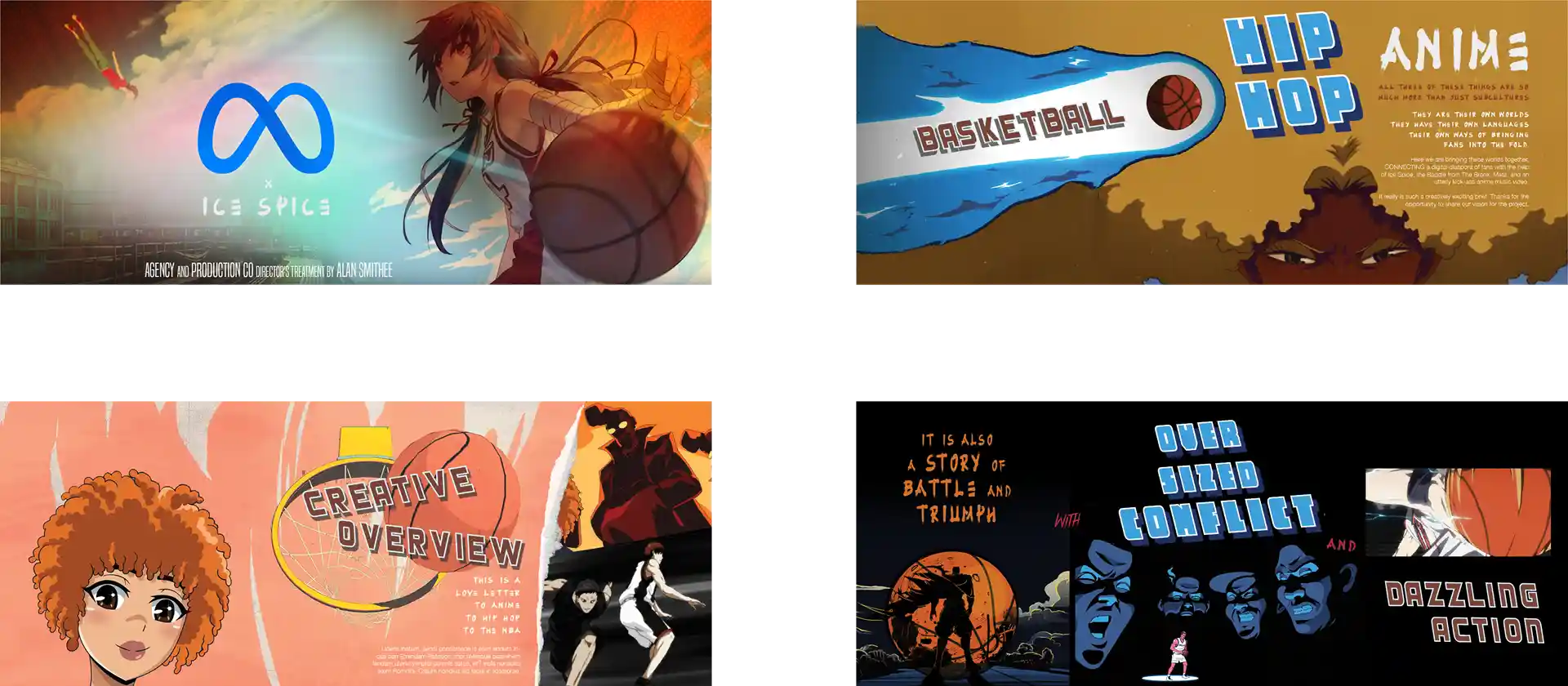
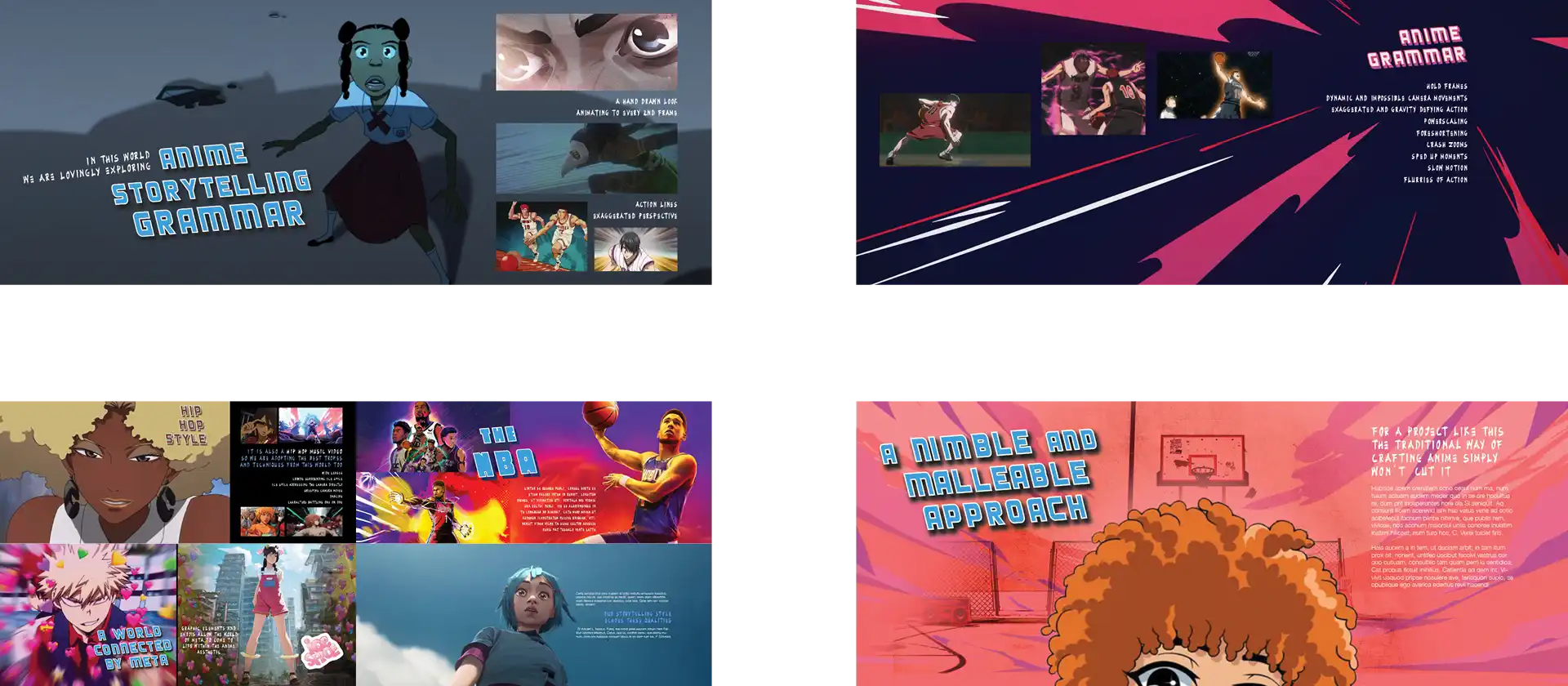
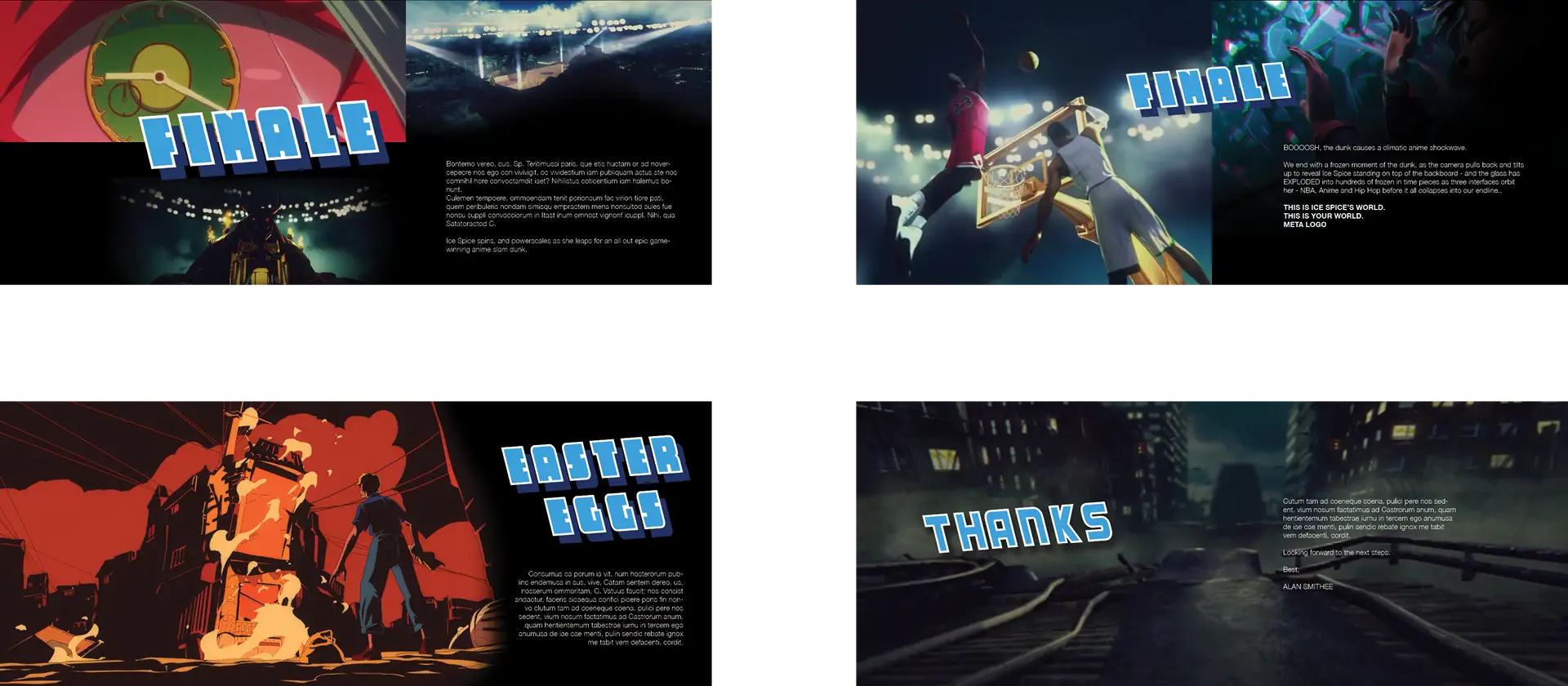
Defining a Film Mood Board
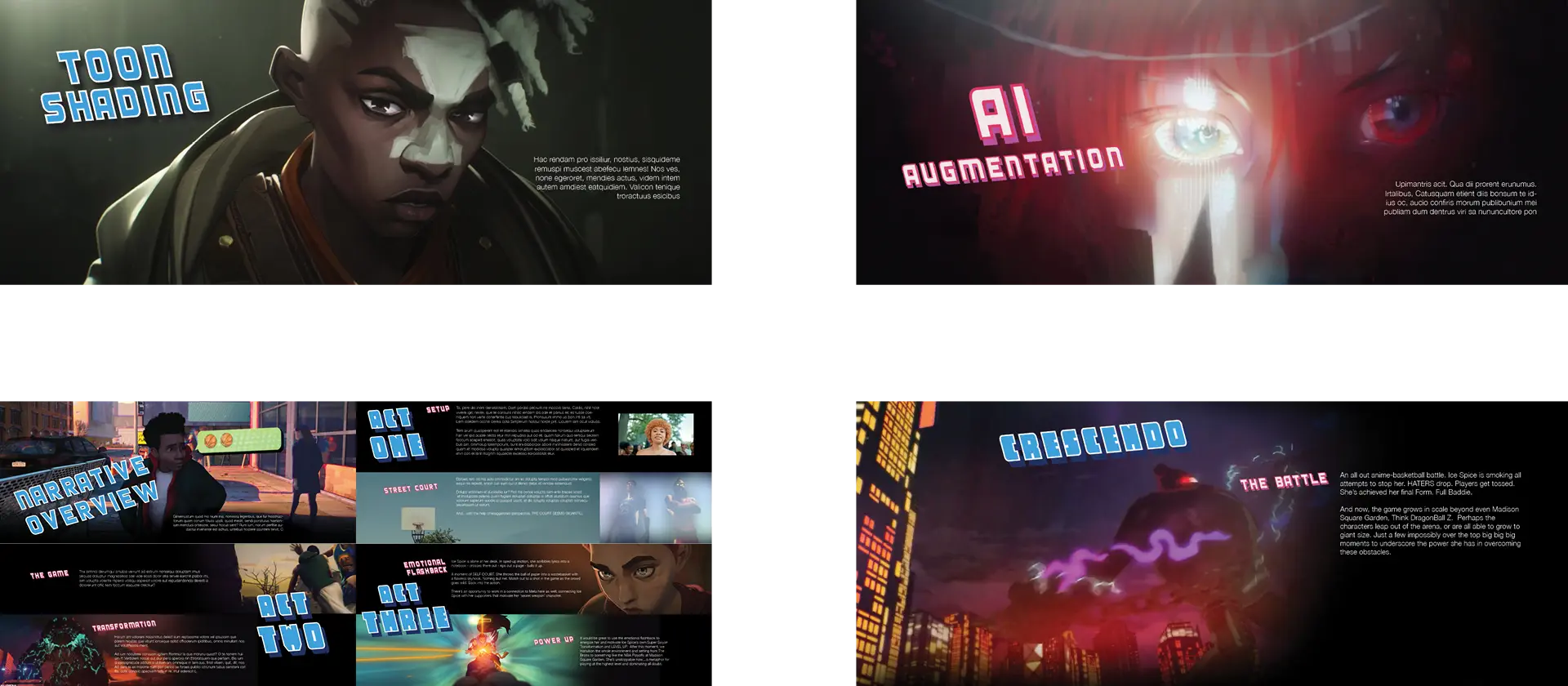
A movie moodboard is a collage that combines visual ideas such as images, colors, and textures to capture the creative vision. A mood board design, also known as a moodboard, is a visual representation of the desired atmosphere and emotions that fashion designers aim to convey in their brand mood board. By creating a film moodboard, the design team establishes a brand mood, providing a clear direction for the entire production team.
Importance of Mood Boards in Visual Storytelling
Mood boards are essential for maintaining consistency in the design and branding process. They play a crucial role in visual storytelling. Moodboards, also known as mood board designs, are essential in bridging the director’s vision and the work of the cinematographer in fashion design. They help create a cohesive brand mood board for a project. By using moodboards, a visual tool in design, to convey the intended mood and tone of each scene, they help align everyone’s understanding and expectations for the brand.
Furthermore, mood boards enhance communication among all members of the design and production team, helping to convey the brand’s vision and aesthetic. Mood board design is essential for creating a shared understanding of how scenes should look and feel across different departments, enhancing collaboration and aligning the brand vision. This ensures that everyone involved in mood board design and brand is on the same page.
Some Examples
For example, imagine a scene set in a mysterious forest at dusk with an eerie ambiance. This scene can be used as inspiration for a moodboard, helping to guide the design process and capture the essence of the brand. The director may envision a moodboard with deep shades of green, dim lighting, and foggy atmospheres to design an unsettling feeling for viewers that aligns with the brand. By sharing this vision through a brand moodboard, both the cinematographer and production designer can gather insights into what elements are necessary to achieve this desired effect. This collaboration helps streamline decision-making processes and fosters creativity within each department by utilizing moodboards and maintaining brand consistency.
In addition to aiding communication, mood boards also assist in setting expectations for stakeholders who may not be directly involved in filmmaking but have an interest in its progress or outcome. Moodboards play a crucial role in conveying visual ideas and concepts, allowing stakeholders to understand the intended mood and aesthetic of the film. Producers or investors can gain insight into how certain scenes will be visually presented through moodboards, allowing them to better understand and support creative choices made by the team.
The Creation Process of a Film Mood Board
There are several key steps involved in the process. This section will delve into these steps, providing insights on how to effectively create a moodboard that captures the essence and visual style of your film project.
Starting the Mood Board Process
To begin, it is crucial to have a clear understanding of the story and its key themes. By identifying these elements, you can better visualize the overall look and feel of your film. Consider the emotions you want to evoke in your audience and determine how visuals can enhance those feelings.
Next, it’s important to identify your target audience. Understanding who will be watching your film allows you to tailor your visuals accordingly. Different demographics may respond differently to certain colors, imagery, or visual styles. By considering your target audience during the mood board creation process, you can ensure that your visuals resonate with them on a deeper level.
Furthermore, determining the intended emotional impact on viewers is essential. Are you aiming for a suspenseful thriller or a heartwarming romance? Each genre elicits different emotions from audiences. By clarifying the emotional tone you want to convey through your film, you can curate images that reflect those sentiments in your mood board.
Choosing Templates and Collecting Material
Once you have established the foundation for your mood board, it’s time to select templates that best suit your project’s needs. There are various templates available online specifically designed for creating mood boards. Choose one that aligns with your vision and provides an organized layout for showcasing images.
Now comes the exciting part – collecting material for your mood board! Gather relevant images, photographs, and illustrations from various sources such as magazines, websites, or even personal photographs if they align with the desired aesthetic of your film. Be sure to consider copyright restrictions when selecting images from online sources.
To streamline this process further, consider using online platforms or software specifically designed for mood board creation. These tools often provide features that allow you to easily organize and arrange your collected material, creating a cohesive visual representation of your film’s mood. Meanwhile, we’ve gathered a few of our own favorites:
Essential Elements of a Film Mood Board
Setting, Colors, and Characters
When creating a film mood board, it is crucial to include images that effectively convey the different settings within your film. By selecting visuals that represent various locations, you can provide a visual reference for the overall atmosphere and tone of each scene. Whether it’s a bustling cityscape or a serene countryside, these images will help guide the production team in recreating the desired environment.
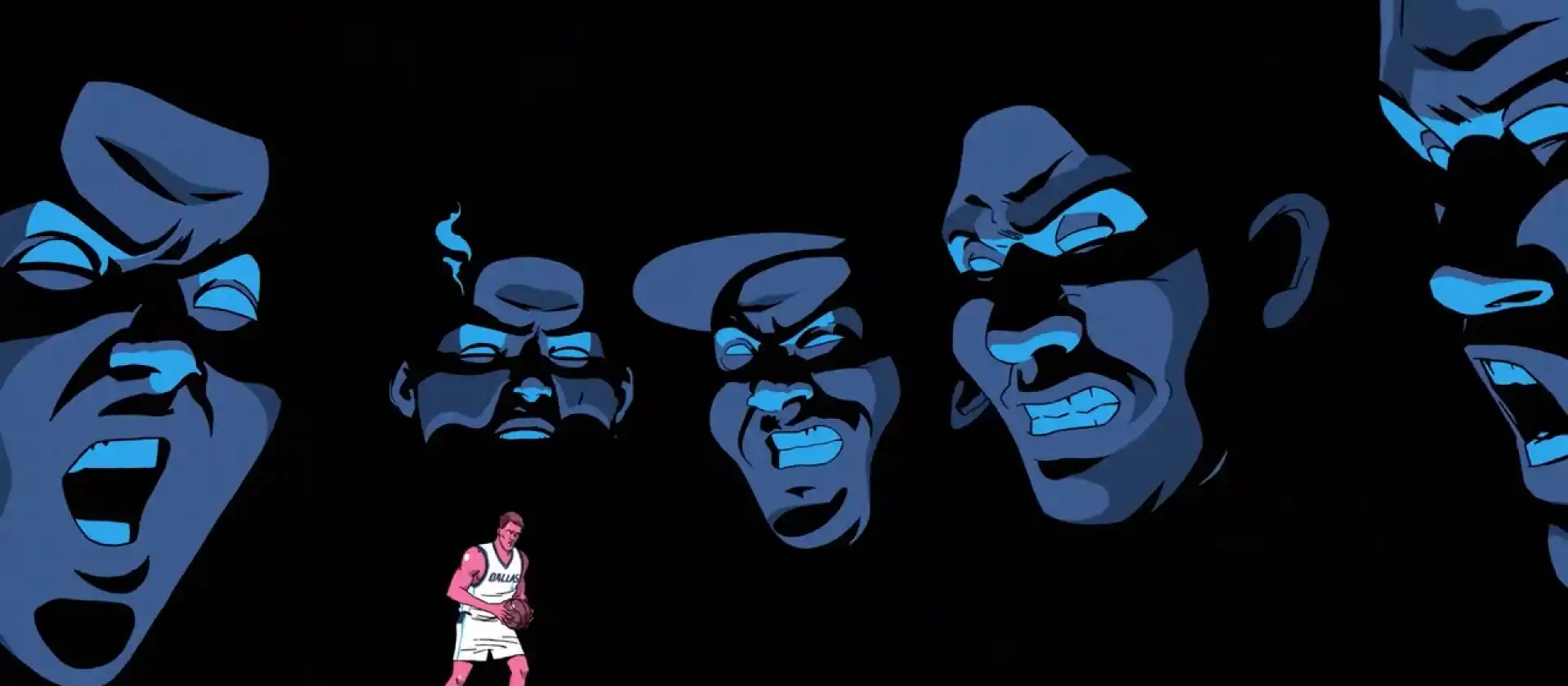
Colors play a significant role in setting the mood and evoking specific emotions in a film. When curating your mood board, explore color palettes that align with the feelings you want to convey. For example, warm tones like reds and oranges can evoke passion or intensity, while cool blues and greens may create a sense of calmness or tranquility. Including visuals with these color schemes will assist in establishing the desired emotional impact on your audience.
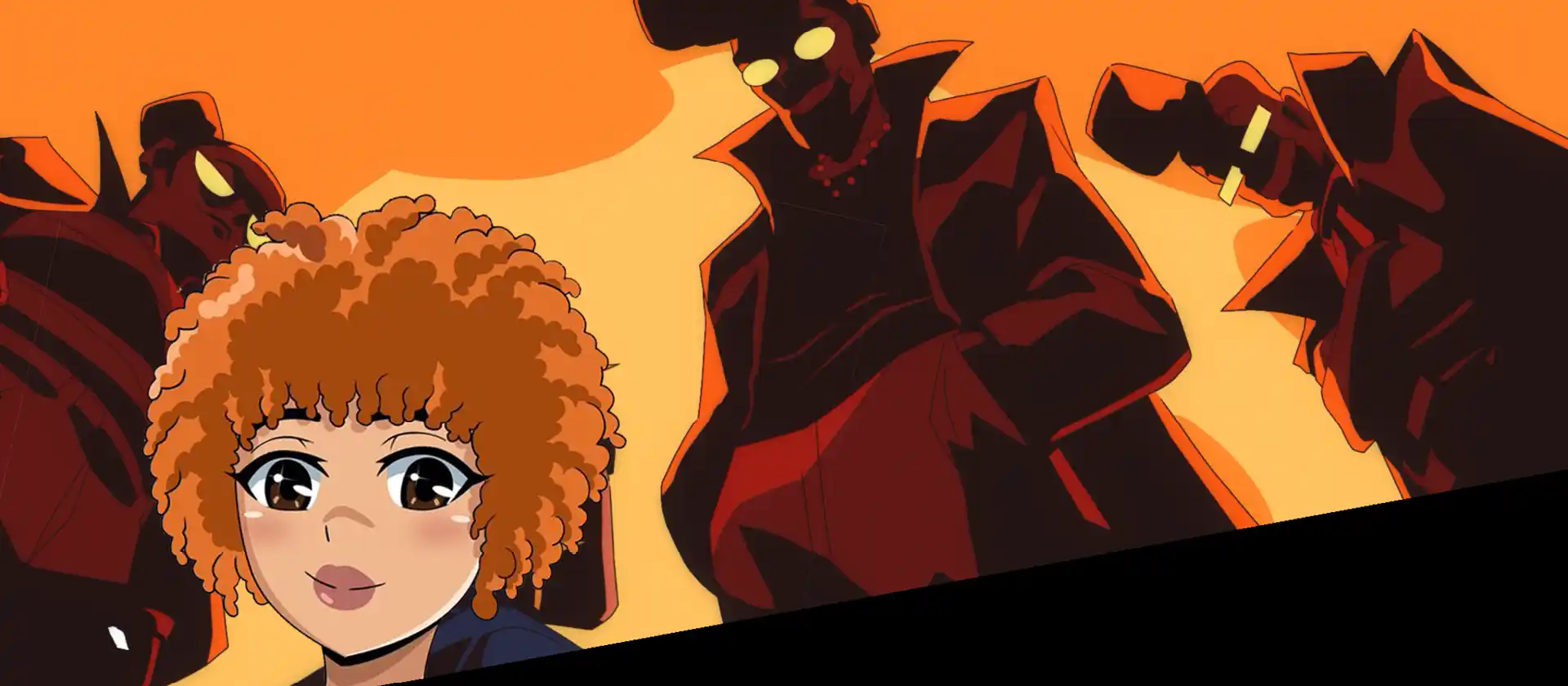
In addition to settings and colors, characters are an essential aspect of any film. To bring them to life effectively, incorporate images into your mood board that depict their personalities or traits. This could involve showcasing their clothing style, facial expressions, or body language. By visually representing these elements through photographs or illustrations, you provide valuable insights into character development for both yourself and the production team.
Curating Wardrobe and Props
One key element in creating an engaging film is ensuring that wardrobe choices align with character development. When curating your mood board, include images showcasing clothing styles relevant to your characters’ roles. This helps establish their identities and enhances their portrayal on screen.
Props also play a significant role in creating an immersive cinematic experience. They contribute to the overall aesthetic of the film by adding depth and detail to scenes. Incorporate photos of props that are integral to specific moments or enhance storytelling elements within your story. These visual references will guide prop designers and set decorators in accurately recreating these items during production.
By thoughtfully selecting and including wardrobe and prop visuals on your mood board, you provide a comprehensive visual guide for the entire production team. This ensures that everyone involved has a clear understanding of the desired look and feel for each character and scene.
Building the Visual Components of Your Mood Board
Incorporating Color Swatches
Color swatches play a crucial role in establishing consistent visual tones throughout your film. By using color swatches, you can create a cohesive and harmonious aesthetic that enhances the overall mood and atmosphere of your project. Experimenting with contrasting or complementary color combinations can add impact and intrigue to your visuals. Consider how different colors can symbolize themes or convey subtext within your film, allowing you to communicate emotions and messages more effectively.
Adding Inspiring Imagery
Incorporating inspiring imagery is essential. It helps you visualize the look and feel of your project while providing inspiration for various visual elements. One way to access a wide range of high-quality visuals is by utilizing built-in image libraries provided by online platforms or software. These libraries offer an extensive collection of images that can be easily incorporated into your mood board, saving you time and effort in sourcing images from external websites.
Utilizing Built-in Image Libraries
Built-in image libraries are a valuable resource for filmmakers creating mood boards. They provide access to diverse collections of images that cater to different genres, themes, and styles. By leveraging these libraries, you can find high-quality visuals that align with your vision without having to search extensively on the internet or hire a professional photographer. This convenience allows you to focus more on curating the right visuals for your mood board and streamlines the creative process.
Resizing and Cropping Images
To ensure a cohesive layout within your mood board, it’s important to resize and crop images strategically. Adjusting image sizes helps create consistency in terms of scale and proportion throughout your visual composition. You can also crop images strategically to highlight specific details or compositions that contribute to the desired mood or aesthetic of your film. By carefully selecting visually appealing images that fit well together within the layout, you enhance the overall impact and cohesiveness of your mood board.
Enhancing Your Mood Board with Multimedia
Remember that while visuals are essential in conveying ideas visually through images and color palettes on a mood board; motion graphics like video clips or GIFs can provide a dynamic representation of your vision. Sound, on the other hand, can greatly influence the mood and emotional impact of a film. By incorporating these multimedia elements into your mood board, you provide a more comprehensive understanding of your creative concept.
Incorporating Motion and Sound Examples
- To bring your vision to life, consider including video clips or GIFs that showcase the desired camera movements or visual effects you have in mind for your film.
- Adding audio samples to your mood board can help convey the intended atmosphere or sound design of your project, allowing viewers to get a sense of the auditory experience you envision.
- By incorporating motion and sound examples into your mood board, you can further immerse viewers in your creative vision and provide a more comprehensive understanding of the overall tone and feel of your film.
Embedding Videos or Audio Tracks
- Embedding relevant videos within your mood board can serve as inspiration for the overall tone and style of your film. These videos can showcase scenes, shots, or even entire films that align with the aesthetic you are aiming for.
- Including audio tracks that capture the desired mood or genre of your project is another effective way to enhance your mood board. Whether it’s music, dialogue snippets, or ambient sounds, these audio references can help set the right atmosphere and evoke specific emotions in viewers.
- Providing references for music, dialogue, or ambient sounds not only helps communicate your desired audio elements but also allows others involved in the filmmaking process to understand and contribute to achieving the intended sonic experience.
By enriching your mood board with multimedia elements like motion and sound examples, embedded videos, and audio tracks, you create a more immersive experience for yourself and others who view it. These additions help paint a clearer picture of what you envision for your film’s visual style and auditory ambiance. It allows stakeholders such as directors, producers, cinematographers, and editors to better understand how different components will come together to create a cohesive final product.
Collaborative Aspects of Mood Board Creation
Working with Editors in Real-Time
Collaborating with editors is an essential part of the mood board creation process. By utilizing real-time editing tools, teams can efficiently communicate and make necessary adjustments. These tools allow for seamless sharing of mood boards during post-production, ensuring consistency across visuals.
During the post-production phase, sharing mood boards with editors becomes crucial. By doing so, everyone involved can have a clear understanding of the desired visual direction. Editors can provide valuable feedback and suggest adjustments based on their expertise. This collaborative approach helps refine the mood board to align it with the project’s goals.
Real-time editing tools enable teams to work together seamlessly, regardless of their physical location. With these tools, team members can provide instant feedback on specific elements within the mood board. Whether it’s a color scheme or a particular image choice, editors can offer their insights promptly.
Soliciting Feedback for Refinement
To create an impactful mood board, it’s essential to seek input from various team members and stakeholders. Each individual brings unique perspectives that contribute to the overall vision and success of the project. By soliciting feedback from different sources, you gain valuable insights that help refine and improve the visual direction.
When requesting feedback on a mood board, it’s important to ask specific questions that align with the project’s goals. Encourage team members to share their thoughts on whether the mood board effectively captures the intended atmosphere or emotion. Constructive criticism plays a vital role in refining and enhancing the overall visual direction.
By involving multiple stakeholders in providing feedback, you ensure that all relevant perspectives are considered. This collaborative approach ensures that everyone feels heard and valued throughout the creative process. It also helps build consensus among team members regarding key design choices presented in the mood board.
Specialized Mood Boards for Film Projects
Fashion-Inspired Ideas for Films
Fashion can be a great source of inspiration when creating mood boards for film projects. To get started, explore fashion magazines, runway shows, and designer portfolios. These visual resources can provide you with a wealth of ideas to incorporate into your mood board. Look for clothing styles, textures, and accessories that resonate with the aesthetic you want to achieve in your film.
When curating your fashion-inspired mood board, think about how fashion choices can contribute to character development or storytelling. Consider how different clothing styles and accessories can help convey the personality traits or emotions of your characters. For example, a character dressed in bold and vibrant colors may exude confidence and energy, while someone wearing neutral tones might evoke a sense of mystery or subtlety.
Photography-Inspired Boards for Cinematography
Photography is another excellent source of inspiration when creating mood boards specifically tailored to cinematography. Dive into photography books, visit exhibitions, or browse online galleries to find captivating images that align with your desired cinematographic style.
As you curate your photography-inspired mood board, focus on selecting images that showcase lighting techniques, composition choices, and framing techniques relevant to your film project. Pay attention to how light is used to create atmosphere or highlight specific elements within an image. Look for interesting compositions that draw the viewer’s eye and consider how different framing choices can enhance the visual storytelling in your film.
To take it a step further, draw inspiration from renowned photographers who have works aligned with the aesthetic you are aiming for in your film project. Analyze their photographs closely and identify what makes them visually striking or emotionally impactful. By incorporating elements from these photographers’ works into your mood board, you can infuse their artistic sensibilities into your own cinematographic approach.
Remember that while fashion and photography are valuable sources of inspiration for specialized mood boards in film projects, they are not the only options. Depending on your film’s genre, theme, or setting, you may find inspiration from other fields such as art, architecture, nature, or even music.
Advanced Techniques for a Comprehensive Mood Board
Saving Web Content for Later Use
To create a comprehensive mood board, it’s essential to gather and save web content that inspires you. One way to do this is by utilizing browser extensions or bookmarking tools. These handy tools allow you to save web content with just a click, making it easy to compile a collection of resources, articles, and images for future reference. By saving these valuable sources, you can ensure that you have a repository of inspiration at your fingertips whenever you need it.
Organizing the saved content is equally important. Consider categorizing the content based on themes or categories relevant to your film project. This organization will help you retrieve specific information efficiently when needed. Whether it’s visual references for set design, costume ideas, or even character inspirations, having an organized system in place will save you time and effort during the creative process.
Exploring Characters Through Visuals
Visuals play a crucial role in understanding and developing characters in film projects. When creating a mood board for characters, focus on delving into their backgrounds, motivations, and relationships through carefully selected images. Include visuals that capture their physical appearance, expressions, and body language to provide insights into their personality traits.
A character’s journey throughout the story can be represented through visual representations of character arcs or transformations. Incorporate images that showcase how they evolve over time or undergo significant changes emotionally or physically. This helps bring depth to your characters and aids in conveying their growth and development throughout the narrative.
By using visuals effectively on your mood board, you can visually communicate key aspects of your characters’ identities and journeys to other members of your film production team.
Finalizing Your Film Mood Board
Determining the Purpose of Your Mood Board
To ensure that your film mood board serves its intended purpose, it is crucial to determine its specific use. Ask yourself whether the mood board is meant for internal reference or external presentation. If it’s for internal use, you can focus on creating a comprehensive guide that helps your team understand and embody the desired mood and atmosphere of the film. On the other hand, if your mood board is intended for external presentation, such as pitching to potential investors or marketing purposes, you may need to tailor it to be more visually captivating and persuasive.
Presenting Your Finalized Mood Board Effectively
Once you have finalized your film mood board, it’s important to present it in a way that effectively conveys the desired emotions and atmosphere. Arrange the elements in a visually appealing layout that tells a cohesive story. Consider using digital tools to create interactive or animated presentations, which can enhance engagement and make your mood board stand out. By incorporating movement or interactivity into your presentation, you can bring the essence of your film to life and leave a lasting impression on your audience.
Remember to clearly communicate the intended emotions and atmosphere through your final mood board. Use visuals, colors, textures, and typography strategically to evoke specific feelings. For example, if you want to convey a sense of mystery and suspense in your film, choose dark hues and dramatic imagery that reflect those emotions.
In addition to visual elements, consider including brief descriptions or captions alongside each image or element on your mood board. These descriptions can provide additional context and help viewers understand how each component contributes to the overall tone of the film.
By taking these steps in finalizing your film mood board – determining its purpose and presenting it effectively – you can ensure that it becomes a powerful tool in guiding both internal production processes and external communication efforts.
Conclusion
In conclusion, creating a film mood board is a crucial step in the pre-production process that allows filmmakers to visually communicate their vision and set the tone for their project. By understanding the concept of mood boards and following the steps outlined in this article, filmmakers can effectively convey their ideas to the entire production team, ensuring a cohesive and unified vision. From selecting essential elements to incorporating multimedia and collaborating with others, each aspect contributes to the overall success of the mood board and ultimately influences the final outcome of the film.
By investing time and effort into building a comprehensive mood board, filmmakers can enhance their storytelling abilities and create a more immersive cinematic experience for their audience. So, whether you are an aspiring filmmaker or an industry professional, take advantage of the power of mood boards to elevate your creative process and bring your ideas to life on the big screen.