Film Pitch Decks
Film pitch decks are designed to capture the essence of a standalone story within a limited timeframe. They focus on presenting a compelling narrative that can captivate audiences in a single sitting. On the other hand, TV show pitch decks have a different objective – they need to showcase long-term storytelling potential and character arcs across multiple episodes or seasons.
The structure and content of film and TV show pitch decks differ due to their distinct narrative formats. Film pitch decks often emphasize concise storytelling, highlighting key plot points, memorable characters, and captivating visuals. They aim to convey the unique selling points of the film idea efficiently.
The TV Pitch Deck
In contrast, TV show pitch decks require a broader scope. They must demonstrate how the story can sustain interest over an extended period. This involves outlining overarching storylines, character development arcs, and potential plot twists that can keep viewers engaged throughout multiple episodes or even entire seasons.
The Differences Between Pitch Decks
Understanding these differences is crucial for tailoring your pitch deck to suit either film or television projects. By recognizing the specific requirements of each format, you can effectively communicate your creative vision to potential investors, producers, or network executives.
By comprehending these disparities between film and TV show pitch decks, you can better navigate the world of pitching ideas in the entertainment industry.
To summarize:
- Film pitch decks focus on standalone stories within limited timeframes.
- TV show pitch decks showcase long-term storytelling potential across multiple episodes or seasons.
- The structure and content of film and TV show pitch decks differ due to their distinct narrative formats.
- Tailoring your pitch deck according to whether it’s for film or television is essential for success.
How to Make a Lasting Impression with Your TV Show Pitch Deck
Craft an attention-grabbing logline that succinctly summarizes the core concept of your TV show. A compelling logline is crucial in capturing the interest of potential investors or network executives. It should provide a clear and concise overview of your show’s unique selling points and leave a lasting impact on the reader.
Unique Selling Points in TV Pitch Decks
Showcase unique selling points such as innovative storytelling techniques or untapped narrative territories. Highlight any distinctive elements that set your TV show apart from others in the market. Whether it’s an unconventional narrative structure, groundbreaking visual effects, or unexplored thematic content, emphasize these aspects to demonstrate the originality and potential success of your project.
Highlight any notable achievements or accolades related to your project or team members involved. This could include awards won at film festivals, recognition for previous work, or endorsements from industry professionals. By showcasing these accomplishments, you establish credibility and reinforce confidence in your ability to deliver a high-quality television production.
Make Your TV Pitch Deck Memorable Above All Else
Leave readers with a memorable takeaway that makes them eager to learn more about your TV show idea. The goal is to create intrigue and generate curiosity among potential investors or decision-makers. Craft a strong ending that compels readers to want more information by hinting at exciting plot twists, compelling characters, or thought-provoking themes.
By following these strategies, you can create a TV show pitch deck that effectively captures attention, highlights unique aspects of your project, showcases relevant achievements, and leaves readers eager for more information about your captivating television concept.
Analyzing Successful Film Pitch Decks and TV Show Bibles
Studying successful examples of film pitch decks and TV show bibles provides valuable insights into what works in these crucial materials. By analyzing how these materials effectively convey tone, genre, target audience, and marketability factors, writers and development executives can enhance their own projects. Let’s delve into the key elements that contribute to their success:
- Loglines: Successful pitch decks and show bibles often feature concise and compelling loglines that capture the essence of the story in a single sentence.
- Character Descriptions: These materials excel at providing vivid descriptions of main characters, including their motivations, conflicts, and character arcs.
- Visual References: Incorporating visual references such as mood boards or concept art helps convey the intended look and feel of the project to potential investors or production teams.
- Genre-specific Elements: Effective pitch decks and show bibles tailor their content to match the expectations of specific genres, highlighting unique selling points while staying true to established conventions.
- Marketability Factors: Analyzing successful examples reveals how they address marketability factors like target demographics, potential audience appeal, and commercial viability.
Learn from Proven TV Pitch Deck Examples
Learning from proven examples not only inspires fresh ideas but also helps avoid common pitfalls when creating your own screenplay pitch deck or TV show bible. By understanding what has worked for others in the entertainment industry – be it files from renowned writers or those created by popular creators like the Duffer Brothers – you can refine your approach and increase your chances of success.
So dive deep into successful film pitch decks and TV show bibles, extracting valuable lessons that will empower you on your creative journey.
Examples of Film Pitch Decks and TV Show Bibles
TV shows are a popular medium for storytelling, and creating an effective pitch deck or show bible is crucial to capturing the attention of potential investors, networks, or streaming platforms. By exploring real-life examples of successful film pitch decks and TV show bibles, you can gain inspiration for your own projects and learn valuable lessons in conveying story concepts, characters, themes, and market appeal.
Key Points to Consider
To understand how diverse projects approach their pitch decks or bibles, it’s essential to examine different genres and styles. Here are some key points to consider when analyzing these examples:
- Structure: Take note of how the creators organize their materials. Are they using a chronological order or a thematic approach? Understanding the structure can help you create a well-organized pitch deck or show bible.
- Tone: Pay attention to the tone used in the examples. Is it serious, humorous, or somewhere in between? The tone should align with the genre and intended audience of your project.
- Content Choices: Analyze the content choices made by creators in these examples. What aspects of the story do they highlight? How do they present their characters and their arcs? Examining these choices can guide you in crafting compelling content for your own pitch deck or show bible.
By studying successful film pitch decks and TV show bibles across various genres and styles, you can gain insights into what works and adapt those strategies to suit your own project. Remember that while inspiration is valuable, it’s important to maintain originality and authenticity in your materials.
Design Tips for an Effective TV Show Pitch Deck
To create an impactful TV show pitch deck, it is crucial to pay attention to the design elements that enhance its overall presentation.
By implementing these design tips, you can create an effective TV show pitch deck that not only showcases your creative vision but also communicates the commercial viability of your project. Remember, a well-designed pitch deck can significantly increase your chances of capturing the interest and support of industry professionals.
Helpful Tips for Your Next TV Pitch Deck
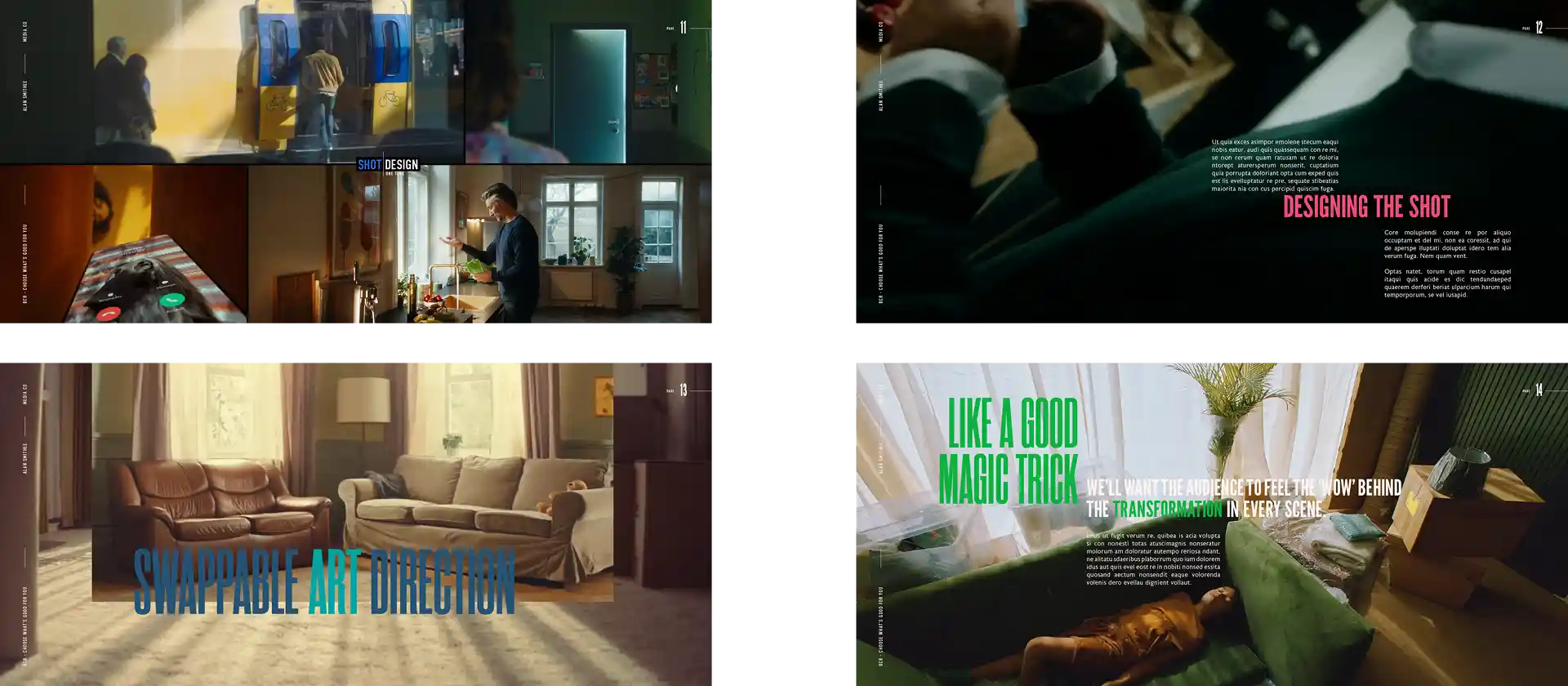
- Incorporate visual aids: Utilize images, mood boards, or concept art that effectively capture the style and atmosphere of your TV show concept. These visuals can provide potential investors or producers with a glimpse into the world you are creating.
- Maintain consistent branding: Ensure that your pitch deck reflects a cohesive brand identity by using consistent fonts, color schemes, and logos throughout. This will help establish a professional and memorable impression.
- Organize information logically: Arrange the content in your pitch deck in a clear and logical manner to facilitate easy navigation for readers. Consider using bullet lists or numbered steps to present key points concisely.
- Use engaging design elements: Make use of eye-catching design elements such as infographics or charts to convey data or statistics related to your TV show concept. This can help illustrate the potential market appeal of your idea.
Conclusion: Mastering the Art of TV Pitch Decks
Crafting a compelling TV pitch deck is a crucial step towards securing the interest and investment of producers and networks. By understanding the key differences between film and TV show pitch decks, you can tailor your approach to suit the specific requirements of television. Start by creating an engaging synopsis that captures the essence of your show, highlighting its unique selling points. Analyze successful film pitch decks and TV show bibles to gain insights into what works in the industry.
Design also plays a vital role in creating an effective TV show pitch deck. Implement design tips such as using visuals strategically, organizing information logically, and ensuring consistency throughout your presentation. Studying examples of both film pitch decks and TV show bibles can provide inspiration for your own project.
To make a lasting impression with your TV show pitch deck, focus on delivering a concise and precise message that showcases your knowledge and expertise while captivating your audience. Remember to be confident in presenting your ideas and emphasize how they align with current market trends. By mastering the art of TV pitch decks, you increase your chances of success in this competitive industry.
What should be included in a TV pitch deck?
A comprehensive TV pitch deck should include an engaging synopsis that highlights the unique aspects of your show, character descriptions that bring life to your story, an outline of episodes or seasons to showcase long-term potential, market analysis demonstrating demand for similar content, target audience identification, production budget estimates, visual elements like concept art or mood boards to enhance visualization, and any additional supporting materials relevant to your project.
How long should a TV pitch deck be?
The ideal length for a TV pitch deck is typically around 10-15 pages. It is important to keep it concise while providing enough information to capture the attention of potential investors or network executives.
Can I use templates for my TV pitch deck?
While templates can provide a starting point and help structure your pitch deck, it is essential to customize it to reflect the unique qualities of your TV show. Personalizing the content, design, and visuals will make your pitch deck stand out from others and showcase your creativity.
How should I approach design in my TV pitch deck?
Design plays a crucial role in creating an effective TV pitch deck. Use visuals strategically to support your message, organize information logically for easy comprehension, ensure consistency in fonts and colors, and maintain a professional yet visually appealing look throughout your presentation.
How important is market analysis in a TV pitch deck?
Market analysis is vital as it demonstrates that there is demand for similar content, increasing the potential viability of your TV show. By showcasing market trends and identifying target audiences, you provide evidence of the commercial potential of your project.