
So what exactly are the differences between a producer vs executive producer in the film industry?
Executive producers are at a higher position and boasting extensive experience in film. They assume comprehensive oversight of all aspects of production, providing valuable creative input and guiding the show throughout its entirety. Their collaboration with the director during the actual filmmaking process plays a pivotal role in ensuring the success. Furthermore, it’s the executive producer that oversees the entire project from start to finish.
On the other hand, producers often possess a more technical approach to their roles and responsibilities. Moreover, it’s more akin to that of a middle manager in a corporation.
Let’s dive deeper into their unique responsibilities as part of the film crew. Additional, let’s explore how they help create some of our favorite movies and TV shows.
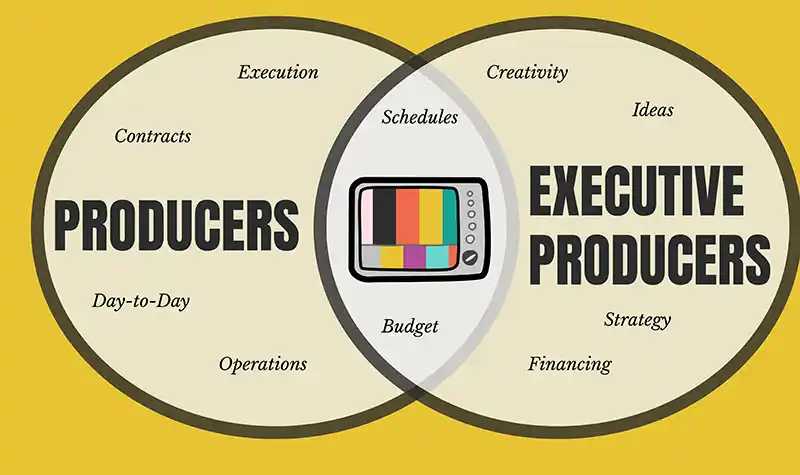
Key Differences Between a Producer and an Executive Producer
Definition of the Roles
In the realm of film production, a studio executive plays a pivotal role in overseeing the entire process. This is from initial financing to post-production. Collaborating closely with multiple producers, they ensure the seamless execution of filming on set. They skillfully managing budgets, schedules, and logistical aspects. Working collectively, the team of producers handles the day-to-day operations, covering everything from pre-production to post-production phases. Together, they take charge of hiring crucial personnel like directors and writers. This is to ensure the final product aligns perfectly with their creative vision.
Creative vs Financial Decisions
Producers are primarily focused on creative decisions related to movies or TV shows. They work closely with directors and writers to develop storylines, cast actors for roles, choose locations for filming. Additionally, they sometimes even coordinate special effects. In making a movie, the team of executives tend to be more involved in financial aspects of a project. This includes securing funding for productions through investors or studios and overseeing budgets throughout filming.
Industry Experience
The title of executive producer is often given to individuals who have a significant film production background. Additionally, it’s provided to those who have invested in movies. These individuals have typically worked with film crews on several projects before taking on this role. Furthermore, they’ve established relationships within the entertainment landscape that can help them secure funding or hire top talent for film roles.
Producers may also have a variety of productions under their belt. However, they may not necessarily have as much clout as an executive producer.
Hierarchy within Production Teams
Within movie productions or television shows, there are different parts of the hierarchy where producers play different roles. A line producer is responsible for managing day-to-day operations while filming takes place on set. An associate producer may handle specific tasks such as casting or script editing. Co-producers collaborate with other producers to help manage various elements of production like scheduling or budgeting in a studio setting.
An executive producer title may be given to someone who oversees the entire production process. It’s the EP and studio who have the final say on creative decisions. Often times a key difference is that a producer may report directly into an executive producer.
Responsibilities
Responsibilities between producers vs executive producers vary depending upon their position within the studio’s hierarchy. However, both positions require unique sets of skills which contribute towards creating a successful movie. A producer’s role is to oversee the actual filming process with their team. An executive producer’s role is to control the financing and make sure that everything stays within budget.
Salary
In film, executive producers usually command higher earnings compared to regular producers, given their crucial role in overseeing all facets of production. They ensure alignment with their creative vision. The remuneration for each position is influenced by multiple factors, such as background, level of responsibility, and the project’s budget. This holds particularly true for individuals working within a studio environment.
Similarities Between Executive Producers and Film Producers
Filmmaking Experience and Knowledge
Executive producers and film producers share similarities in industry experience and knowledge. Both are experienced professionals who have worked on several projects, including movies, television shows, or other entertainment productions. Both executive producers and film producers exhibit a profound familiarity with the intricacies of the filming process. Drawing from their experience in production companies or studio environments, they wield effective team management skills.
The expertise of executive producers and film producers encompasses the entire creative journey of crafting a movie or TV show. They possess the know-how to transform a concept into a polished product that satisfies both audiences and investors. Collaborating closely with directors, writers, actors, crew members, and other key stakeholders, they ensure flawless execution of every aspect of film production. This entails securing funding and resources from the studio. It’s also specifically involves assembling and guiding a robust team to bring their vision to life on the silver screen.
Roles in Production
In the realm of movie production, both producers vs executive producers hold crucial and distinct roles. However, their titles might vary depending on the specific project or studio. Additionally, both types of producers bear the responsibility of overseeing various aspects of the filming process alongside their dedicated teams. Some may also hold executive titles in the studio they work for, however.
Specifically, line-producers on set, are responsible for managing many tasks. These include:
- budgets
- schedules
- casting decisions
- script development
- filming locations
- special effects teams
- lighting departments
- editing departments
- post-production processes
- sound design
The Film Business is Just as Hierarchical as Any Other
On the other hand Executive Producers are usually at a higher level than a regular film producer within a film production company hierarchy. They manage multiple filming projects simultaneously while also being responsible for securing funding for those projects. They’re responsible for pitching these projects to investors or studios. They coordinate different departments such as finance department heads along with legal team members ensuring all aspects of business related to filming are taken care off.
Regardless of their title or level within a production company hierarchy, both executive producer and producer jobs require excellent communication skills. Moreover, it’s these communication skills with everyone from top-level executives to entry-level staff members. This includes communicating with the filming team to ensure a smooth production process.
Producer vs Executive Producer -Talent is Crucial For Success
The prowess of executive producers and film producers is paramount to the triumph of a film series or movie. Their pivotal role involves curating a stellar team. This team is comprised of directors, actors, crew members, and other essential stakeholders, to collaborate on the project. With their keen eye for talent, they breathe life into their vision, skillfully navigating the complexities of the entertainment industry.
As executive producers, they assume a vital position, overseeing every aspect of the project from inception to completion. Their ability to foresee potential issues and make prompt, impactful decisions greatly influences the project’s outcome. Working in tandem with the producer role, they ensure that all filmmaking roles are filled with the right talent and that the set operates seamlessly. Moreover, they may also partner with an associate producer who assists in managing the project’s day-to-day operations.
Producer vs Executive Producer – Both Managing Resources
The crucial tasks of executive producers and film producers encompass effective resource management and strict budget adherence. Their responsibilities span across casting decisions, filming locations, special effects teams, lighting departments, editing departments, and even post-production processes like sound design. Their adept oversight ensures the project’s seamless progression within the allocated resources.
They must also work closely with executive producers and associate producers to oversee the filming process, while fulfilling their producer role. Moreover, they shoulder the responsibility of monitoring project financing meticulously. This requires overseeing diverse departments, including finance department heads, and collaborating with legal team members to ensure comprehensive and efficient business management.

Involvement Throughout the Production Process for Producers and Executive Producers
Understanding the Different Roles of Producers vs Executive Producers
Within the vast realm of the entertainment industry, numerous producer roles exist, with two prevalent distinctions being producer vs executive producer. Although these titles might appear akin, they encompass unique responsibilities and levels of involvement throughout the intricate filming process.
- A producer: Tasked with the comprehensive oversight of a film project, from its initial stages of pre-production to the final touches of post-production, they establish close collaborations with the director, writers, cast, crew members, and other essential personnel to ensure seamless operations. Their responsibilities encompass a myriad of crucial tasks. This includes budget management, shoot scheduling, coordination with vendors and suppliers, location scouting for filming, recruitment of talented crew members, supervision of special effects and editing processes, and much more.
- An Executive Producer: Typically someone who oversees multiple projects at once. They provide financial support to production teams by helping secure funding from investors or studios. They may be involved in high-level decisions such as casting choices or overall creative direction.
The Actual Filmmaking Process: Differences Between Producer vs Executive Producer
Their level of involvement differs significantly:
- Producers: More hands-on throughout every stage of production. During pre-production they help develop scripts with writers or directors. While in principal photography they oversee each department head (such as lighting or camera), manage logistics on-set (e.g., ensuring everyone has what they need), handle budgeting issues that arise during shooting. Finally, during post-production they supervise editing sessions with editors while staying within budget constraints.
- Executive producer: In contrast to producers, their role is less hands-on and more centered around making significant big-picture decisions. These decisions encompass crucial considerations such as whether a movie should be greenlit, taking into account factors like budget constraints and marketability, as well as defining the overall vision for the project.
Understanding the Similarities and Differences Between Producers and Executive Producers
While there are distinctions between a producer vs executive producer in the film industry, they also share some similarities. Both must possess excellent teamwork and communication skills. Also, they both must have effective budget management abilities, and a profound understanding of the intricacies of the film industry.
Undeniably, both the director and executive producer jobs require a lot of industry experience. It takes several years of working in the entertainment industry to gain the experience required of either role. That’s because both require the skills necessary to handle any aspect of a film project from pre-production through post-production.
Perhaps the largest difference between a producer vs executive producer is that producers are more involved in the actual day-to-day filmmaking process. Conversly, executive producers are strategic in financing and overall creative direction.
Conclusion: Understanding the Role of a Producer vs Executive Producer
After delving into the significant distinctions and shared attributes of a producer vs executive producer, it becomes evident that both are indispensable for achieving success in the film industry.
Irrespective of their individual responsibilities, both titles hold vital significance in bringing a project to life. If you harbor aspirations of a career in film or television production, grasping the disparities between these two film roles will empower you to discern the most fitting path for your journey.
Frequently Asked Questions About a Producer vs Executive Producer
To become either a producer or an executive producer, it’s important to have experience working within the film or television industry. Many people start out as assistants or interns before working their way up into these positions. A degree in film studies or another related field can also be helpful.
The salaries for these film careers can vary widely depending on factors such as experience level and location. On average, however, executive producers tend to earn more than regular producers due to their higher-level responsibilities.
Yes! In fact, it’s not uncommon for individuals within the film industry to hold multiple film roles on different projects. However, the specific responsibilities and expectations for each role may vary depending on the project. Additionally, some individuals may also hold the title of executive producer on certain projects.
Producers and executive producers can secure funding from a variety of sources, including studios, investors, and crowdfunding campaigns. They may also work with distributors to ensure that their productions reach the widest possible audience.
Some common challenges include managing budgets, dealing with unexpected setbacks during production, and ensuring that all members of the cast and crew are working together effectively. Securing funding for a project can be a major hurdle for many producers and executive producers.
Strong organizational skills, excellent communication abilities, attention to detail, and an ability to think creatively under pressure are all essential qualities for success in these professions. Experience working within the film or television industry is highly valued, especially for executive producer positions.
While having a degree in film studies can certainly be helpful when pursuing careers in the film industry, including executive producer roles, it’s not necessarily required. Many people have found success in these jobs through hands-on experience within the industry. However, it’s important to note that having a strong understanding of how the industry works is crucial regardless of your educational background.