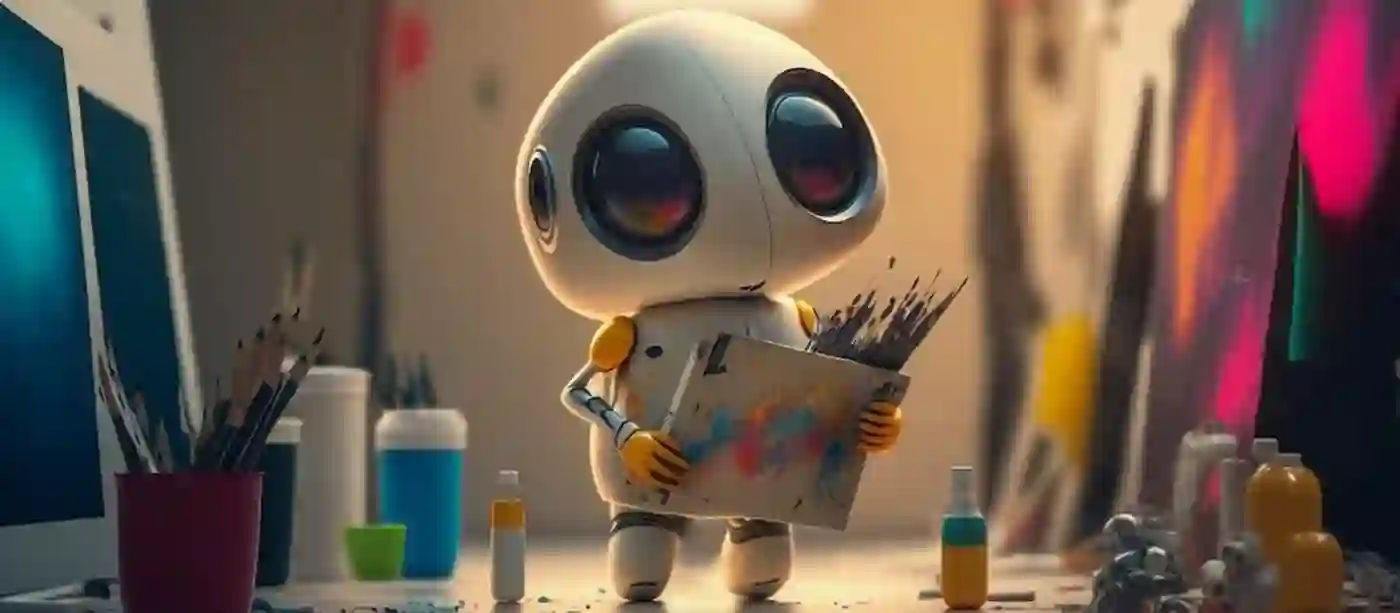
Generative AI is changing filmmaking. Quickly. From prompt-driven imagery and video, to just about anything you could possibly monetize, it’s hard to know which is the best AI art generator. The answer of course being, it depends. The more well-known options, like DALL-E and Midjourney are amazing…but what about when you need to steer clear of uncanny valley? As you’ll see in this blog post, there are a few interesting options, including both paid and free, online and open source, which each have their advantages in terms of creating cinematic imagery and motion content.
But first, the lay of the land. From ideation to scriptwriting, all the way through the process of crafting a director’s treatment; creative previz; production; virtual production and post. It’s all being streamlined by AI, which is sure to change the way content considerably. Ethical considerations aside, and without staring to far into the abyss of machines-gone-mad, chances are you are here to find the best ai art generator for a pitch deck.
Stick around for a deep dive on the evolving use of AI in filmmaking, including our picks for the best AI art generator apps and options.
- Understanding AI Art Generation
- Exploring AI Art Generators for Directors
- Getting the best from AI Art Generators
- Benefits for Filmmakers
- AI Tools for Filmmakers
- AI in Director’s Treatments
- How AI Enhances Storyboarding
- AI in Editing
- AI for Visual Effects
- AI in Color Grading
- Leveraging AI for Audio Production
- Future of Artificial Intelligence in Filmmaking
- Final Remarks

An AI Image generated by a director's treatment researcher: Julian Weiland
Understanding AI Art Generation
Core Concepts
AI art generators utilize machine learning algorithms to create a wide array of artistic styles and techniques. This includes video, sound, and still imagery. Often based on text prompts, although increasingly through uses of ControlNet and other ways of fine tuning the outputs, generative AI systems run on complex neural networks and deep learning models.
Different models have different strengths. Examples include Stable Diffusion, which can be used online and on a local computer, and definitely qualifies for best ai art generator in terms of being open source.
LoRAs, or Low Rank Adaptations, are trained models too, but are often smaller and more refined diffusion models or tweaks to larger models – better at fine tuning the outputs based on a more limited or hyper-specific data set.
The Sampler, or diffusion sampling method, is also a key part of getting the right results. Some samplers are geared more towards anime. Others are better at generating photoreal results. Factors of note are also speed, creativity, and ability to refine small details. The default Euler A in Stable Diffusion is a strong all-rounder, although it can give skin textures that are quite plasticky. Here’s a link to a more exhaustive look at the different samplers with examples.
Mechanisms at Work
Prompts and Negative Prompts are a big part of getting useable results. Often, it’s the things you choose to tell the machine not to create that make all the difference. Another reason they’re often used by prompt engineers, is there is much less restrictions (and sometimes none) to the amount of tokens you can have in your negative prompts. Examples of words you’ll want to have in your negative prompts include: noisy, blurry, distorted, out of focus, bad anatomy, extra limbs, poorly drawn face, poorly drawn hands, missing fingers. Unless of course that’s what you’re after!
ControlNet is a way of nudging the app to create images based on sketches or other inputs. This is particularly useful in terms of posing characters or setting compositions. You can great results using Img-2-Img, where essentially you use an image as a key source of inspiration, to varying degrees.
In-painting and Out-painting refer to the process of either manipulating or filling elements within an image or expanding the boundaries of an image. The Generative Fill feature i n Photoshop is an example of both outpainting and inpainting.
Another popular use of AI is Upscaling and Resizing. Many of the most popular companies like Topaz and Runway offer this functionality. This can be particularly useful for video.
Another video-based application for AI is Frame Interpolation – a way of making smoother slow motion. Other features like Stabilization are making use of ai functionality.
Glossary of Key Terms
LoRA | Short for Low Rank Adaptation, a LoRA is a trained model that is fine tuned for a certain look, style, or subject matter. |
ControlNet | The use of input controllers (like drawings and wireframes) to control the poses of characters, composition, and other foundational elements within a generated image. |
Sampler | The part of the tech that progressively whittles down imagery from noise. |
Tensor | A trained model specialized to a type of AI render (anime, photoreal, sketch etc.) |
Img-2-Img | Generative imagery created based on an input image. |
Txt-2-Img | Generative imagery created based on text prompts. |
Negative Prompt | Text prompts that exclude certain characteristics or qualities of an image. Ex. ugly, deformed, extra fingers. |
Inpainting | The use of generative AI to fill in the missing elements of an image. This can be particularly useful for enhancement and restoration. |
Outpainting | The use of AI to generate content outside of the boundaries of an existing image. |
Stochasticity | The amount of randomness in a model, affecting the diversity of AI-generated outputs. |
Upscaling | The use of AI to increase the resolution of imagery and video. |
Prompt Engineering | The manipulation of prompts (and negative prompts) to refine the output of an image or video. |
Exploring AI Art Generators for Directors
The Different Tools and How They Work
Midjourney
Midjourney offers the ability to produce top-notch images using simple text prompts. It operates within the Discord chat app, so you don’t need special equipment or software to run it. A drawback of this is you have to pay before you start generating images, unlike many competitors who offer a few free image generations. Plus, if you’re new to discord, there’s a learning curve there.
DALL-E
DALL-E from OpenAI is known for its ease of use and its high quality results. While not as customizable as other options, it’s a great place to start in terms of getting proficient at prompt wrangling.
Stable Diffusion
Stable Diffusion is an open source model, and thus offers the most customization. Within this framework, you can add different samplers, LoRAs. Stable Diffsuion can also be run on a local computer. being open source, it’s also much easier to bypass the guardrails that are common to other generative ai solutions. Steep learning curve, but worth the effort if you’re looking to create stunningly photo-real results.
Playground
Playground uses Stable Diffusion and its own model to give the user a highly customizable yet not overwhelming UI. It’s a fast online solution that gives reliable results and does a good job of upscaling.
Topaz
Topaz offers both photo and video enhancement tools including stabilization and upscaling. As more of an app-based solution, and not so much of an AI image generator, it’s worthwhile if you’re processing a lot of imagery or video.
Runway
Many of the most exciting new possibilities in video-based Ai are being spearheaded by Runway. Motion Brush and Infinite Expand are fun to play with, but the ability to generate video is a game changer.
Firefly and Photoshop
Generative Fill is an incredibly useful tool within photoshop, and coupled with Firefly you can create quite a seamless workflow between the two Adobe products.
Getting the best from AI Art Generators
Prompt Engineering
Syntax is important. In general, it the best AI art genrators like this format.
[STYLE OF PHOTO] photo of a [SUBJECT], [IMPORTANT FEATURE], [MORE DETAILS], [POSE OR ACTION], [FRAMING], [SETTING/BACKGROUND], [LIGHTING], [CAMERA ANGLE], [CAMERA PROPERTIES], in style of [PHOTOGRAPHER OR ARTIST]
Style of Photo
Examples include candid, posed portrait, tableau, lifestyle.
Subject
What or who is in the image. Try to employ words that help the model understand age and gender. Even more specific results can be had with terms like “age 70”. Within this portion of the prompt, you should also describe skin tone and ethnicity. More subjective qualities like serious or cute (preceding the ethnicity) can give better results too. Next, speak to hairstyle, clothing, expression, and accessories. The more specific and pseudo-poetic the more refined the results will be.
Framing
Terms familiar to filmmakers like close up or full body help the model decide the size of the shot.
Setting and Background
Give the model a fair amount of context, but don’t be too prescriptive. Remember that the more you hone in on a specific place, the smaller the amount of text-image pairs the model can draw from.
Lighting
Go wild with the way the image is lit. Is the light dappled, bounced, or chiaroscuro. Let the machine know.
Camera Angle
Should be self evident, although, a hot tip is to use terms like “below eye level” for more subtle changes in lens height.
Camera Properties
RED Digital Cinema Camera is a good one for clean and cinematic imagery. Others that can be useful are more specific to filmstocks or stills cameras. Try Hasselblad X1D II if you want nice crisp imagery.
Inspiration
Choose a photographer, filmmaker, or artist that best aligns with the style and look of the generated image you are after.
Prompt Massaging
Negative Prompts
Here you should be going hog wild with your text, since there isn’t usually much of a restriction. Many prompt engineers will have a boilerplate version they always copy, paste, and add to.
Infuse Emotion
While it feels corny at first, using ten-dollar-words to describe the vibe of an image can be useful.
Emphasis
In some models and apps, using (brackets) or ((double brackets)) can increase emphasis.
Adjust Guidance
Most of the best AI art generators allow you to dial up or down the amount of prompt guidance or fidelity to your request. the less guidance, the more the AI is free to be creative.
Img-to-Img
Refining an image can involve using an almost perfect image to propagate further variations.
Post Processing
Using Upscale and other tools like Photoshop can give that extra nudge an image needs to be ready to incorporate into a director’s treatment.
Benefits for Filmmakers
Filmmakers can benefit significantly from utilizing AI art generators throughout various stages of the journey—from concept development and pre-visualization (previz) all the way into production and beyond.
Ideation: Generative AI, including chat GPT, can be a cunning tactic for coming up with and further developing creative ideas.
Explore Diverse Visual Styles: Today filmmakers have unparalleled opportunities when it comes to creating visually stunning concepts—anything from classic film noir aesthetics right up to anime, or a micx of both. All achievable thanks largely due to recent advances in AI.
Previz: Filmmakers can leverage AI during the storyboard or animatic creation process as a way of enhancing the overall storytelling experience.
Streamline Workflow: AI-driven solutions enable filmmakers to streamline the entire creative journey, using AI generate, augment, and sometimes salvage otherwise unusable footage. Recent advancements in film restoration are breathing new life into old footage and imagery.
Concept Visualization: Testing out looks and styles using AI is a powerful technique to help both refine your vision and explore creative possibilities.
Integration of AI within Director’s Treatments: This can be particularly powerful for unique and imaginative briefs where relevant visual reference doesn’t already exists. Check out a few examples of AI director’s treatments by The Collective Pitch.
Lower Barrier of Entry: While not all AI tools are free, the ability to craft high quality imagery and video without a huge outlay of money or time can free filmmakers up to focus on the other important things.
AI Tools for Filmmakers
Most Popular and Best AI Art Generators
DALL-E and MidJourney are the most well-known, yet AI generators like Stable Diffusion and Runway ML are often cited as much more powerful and customizable options. Ultimately, it depends on the level of finesse and the particular style you’re after.
Other hyper-specialized apps like Boords can help create high quality storyboards based on text and image prompting.
In addition to generating imagery and video, AI can help with editing, color grading, music and sound design, and even Ai voiceovers.
List of AI Art Generators
- MidJourney: A popular and powerful generative AI, hosted on discord and a great way to learn the basics of prompt engineering.
- Deep Dream Generator: Uses a neural network to find and enhance patterns in images.
- Playground: A solid interface based on Stable Diffusion and its own model.
- DALL-E by OpenAI: Creates images from textual descriptions using a GPT-3-based model.
- Stable-Diffusion: A powerful model that employs stable diffusion processes to generate high-quality images.
- Artbreeder: Allows users to create and manipulate images by blending different visual traits.
- This Person Does Not Exist: Generates realistic human faces using a GAN (Generative Adversarial Network).
- GANPaint Studio: Allows users to modify images by adding or removing specific features.
- BigGAN: Generates high-resolution images with a focus on diverse and realistic outputs.
- DeepArt.io: Applies artistic styles to images using deep neural networks.
- Deep Dream: Developed by Google, it enhances images using a convolutional neural network.
- RunwayML: A platform that enables artists and developers to use pre-trained models for creative projects, including image generation and video.
- StyleGAN and StyleGAN2: Developed by NVIDIA, these models generate high-quality images with diverse styles.
- CycleGAN: Specializes in translating images from one domain to another, such as turning horses into zebras.
- DeepArt: Applies artistic styles to images using deep neural networks.
- Waifu Labs: Generates anime-style characters based on user preferences.
- AI Painter: Converts simple drawings into more complex and detailed paintings using AI.
- NeuralStyler: Applies artistic styles to images using neural networks.
Exploring AI Art Generators
Top Picks in 2024
- Best All Rounder: Midjourney
- Most Customizable: Stable Diffusion
- Most Innovative: Runway ML
Free vs. Premium
When considering generative ai options in this domain, individuals may encounter both free versions as well as premium offerings from AI art generator providers. Free versions often come with limited features and lower resolution outputs; however they are ideal choices for casual users seeking to explore the capabilities of AI technology without making financial commitments.
On the other hand, premium AI art generators offer advanced customization options along with higher quality results which are essential elements required by professional filmmakers during storyboard creation process or film production stages where high-quality visuals are paramount.
Paid subscriptions frequently unlock exclusive artistic styles alongside additional functionality within these platforms thereby enhancing the creative potential available at one’s disposal when using premium versions over free alternatives.
AI in Director’s Treatments
AI art and image generation takes time to master; something many directors and producers have little of. Many directors and producers are catching flights or catching-up with the various departments ahead of a commercial shoot. They don’t have hundreds of hours to pour into perfecting an AI image research prompt to get the results they desire.
Often, because of these constraints, they rely on the help of professional researchers that have spent the time perfecting their prompts. The results often speak for themselves and easily demonstrate the clear difference in mastering AI prompt generation versus dabbling in it.
Additionally, many AI-generated images need heavy manipulation in photoshop. Moreover, as odd as it may sound, AI images need a lot of AI Photoshop to be useable. Furthermore, in any campaign brief, matching the wardrobe style, production design, and brand colors are a must.
After all, you probably don’t want a hand with eight fingers or a man with multiple noses in your AI director’s treatment.

How AI Enhances Storyboarding
Creative Boost
AI art generators are a powerful technique for enhancing the storyboard creation process by offering a wide range of visual styles and artistic possibilities. These apps provide you with an opportunity to explore new and innovative ways of storytelling, pushing the boundaries of traditional artistic expression. For example, creators can utilize AI-generated artwork to depict diverse settings, characters, and moods within their sample storyboards, thereby enriching the visual narrative. The availability of text prompts within AI art generators also stimulates creative thinking among filmmakers by inspiring unique story approaches or styles.
Furthermore, AI art generators empower filmmakers with varying drawing skills to create compelling storyboards effectively. By leveraging the flexibility in customization, creators can tailor visuals to match their specific narrative requirements without needing advanced drawing or animation expertise. This accessibility ensures that creators with different levels of artistic proficiency can participate in the storyboard creation process seamlessly.
AI art generators serve as an efficient resource for streamlining the initial stages of creating storyboards. They significantly reduce time-consuming manual drawing processes while enabling rapid iteration on visual concepts during pre-production workflows. As a result, these apps not only enhance creativity but also optimize efficiency in developing compelling narratives through visually engaging storyboards.
Speed and Efficiency
The integration of AI-generated artwork into VFX pipelines revolutionizes how storytellers craft cinematic scenes through advanced visual effects techniques. By incorporating AI-generated visuals as a foundation for creating complex VFX elements within video, creators can elevate the overall cinematic experience by infusing depth and realism into various sequences.
Moreover, the seamless integration capabilities offered by AI-generated artwork enable creators to expedite their production timelines while maintaining high-quality standards in crafting visually stunning film scenes. This speed is a crucial component in modern filmmaking where tight schedules demand swift yet meticulous execution throughout every stage of production.
In addition to expediting VFX workflows, AI-generated visuals allow for dynamic incorporation into various sequences—ranging from action-packed scenes requiring intricate special effects to emotionally charged moments demanding subtle yet impactful visual enhancements. This versatility empowers directors with newfound creative freedom when conceptualizing and executing captivating VFX components that contribute significantly to immersive storytelling experiences.
AI Storyboard Apps
Boords | |
Krock | |
Storyboard Hero | https://storyboardhero.ai/ |
Taskade | https://www.taskade.com/generate/video-production/storyboard |
AI in Editing
AI Editing Capabilities
The best AI editing apps and add-ons, much like the best AI art generators, are powerful and versatile. They streamline the editing pipeline for both images and videos, offering features like automated color correction, object removal, background enhancement, and more. These features utilize pattern recognition to identify elements within an image or video, making tasks like trimming and organizing footage much more efficient.
One of the key benefits of these tools is their ability to analyze camera angles and suggest optimal edits. This feature is particularly valuable for video creators and artists who need to ensure that their work meets high-quality standards. By harnessing the power of AI-assisted features, they can save themselves editing work while enhancing the overall quality of their content.
In addition to these capabilities, many AI editing programs offer a suite of features designed specifically to unleash creative possibility. For example, they enable users to experiment with different color schemes or apply artistic filters with just a few clicks. This level of accessibility empowers creators at all skill levels to bring their visions to life without being hindered by technical complexities.
AI Editing Apps
Filmora | |
Topaz Video AI |
AI for Visual Effects
VFX Breakdown
AI-generated visuals support real-time rendering processes, making film production visualization more efficient. For example, generative AI can quickly create complex scenes or backgrounds for movies without the need for manual design work. This adaptability enables real-time rendering engines to seamlessly deliver immersive on-screen experiences.
You can benefit from the responsiveness of real-time rendering when incorporating AI-generated visuals into their projects. By using generative AI and other ai features, they can efficiently integrate dynamic content that enhances cinematic presentations. AI-generated assets contribute to real-time rendering advancements by providing a diverse range of visual elements that enrich the overall viewing experience.
The flexibility and versatility of generative AI allow you to explore new camera angles and perspectives. With ML algorithms at its core, generative AI can analyze existing footage and upscale it while maintaining quality — a feature particularly beneficial in creating visually stunning video with minimal effort.
Real-time Rendering
Realtime render engines like Unreal can instantaneously render strikingly immersive CG. Notably, this tech has been used in virtual cinematography, using XR stages instead of traditional greenscreen techniques.
AI and Volume Stage Filmmaking
With the integration of artificial intelligence into volume stage filmmaking, it’s likely that shooting on Volume or XR Stages will be increasingly popular. The up-front work needed to create an entire environment can be time-consuming, but with AI this may become much less of a barrier to entry.
Artificial intelligence has revolutionized how visual effects are created and incorporated into film productions. From streamlining the real-time rendering process with adaptable visuals to offering automated solutions for generating diverse artistic elements, ai tools have significantly transformed the landscape of visual effects in filmmaking.
AI for VFX and Animation
Deep Motion | https://www.deepmotion.com/ |
RADICAL | https://radicalmotion.com/ |
Audio 2 Face | https://build.nvidia.com/nvidia/audio2face-3d |
WonderStudio | https://www.autodesk.com/products/flow-studio/overview |
AI in Color Grading
Automated Solutions
The best AI art generators use existing imagery and styles to create new content. Likewise, with AI color grading, you can mimic different looks when color grading.c outcomes they envision.
Directors can benefit from using LUTs (Look-Up Tables) and other advanced editing tools, increasingly integrated into AI art generators. These functions enable you to apply specific color grading styles and make nuanced adjustments.
AI Color Grading Tools
Colourlab | https://colourlab.ai/ |
Image colorizer | |
Topaz Denoise AI | |
Palette | |
Color.io | |
Colormind |
Leveraging AI for Audio Production
Voice Over Innovation
Artificial intelligence (AI) has revolutionized the field of audio production, particularly in voiceover innovation. AI-driven sound design applications have transformed the way immersive auditory experiences are created to complement visual storytelling in films. These innovative solutions offer filmmakers a powerful tool to enhance their storytelling and create captivating narratives.
These AI tools utilize advanced algorithms to generate realistic and expressive voiceovers, allowing filmmakers to bring characters to life with remarkable authenticity. By leveraging deep learning and natural language processing, these tools can synthesize human-like voices that seamlessly integrate into films, adding depth and emotion to the storytelling process. For instance, an AI-powered voiceover tool can accurately capture the nuances of different languages, dialects, and accents with impressive precision.
The integration of AI-driven voiceover technology also streamlines the production process by offering quick turnaround times without compromising quality. Filmmakers can efficiently experiment with various voice styles and tones until they find the perfect match for their narrative vision. These tools provide a user-friendly interface that enables creators to customize parameters such as pitch, pacing, and intonation for optimal creative control.
Sound Design
In addition to voiceover innovation, artificial intelligence has significantly impacted sound design in audio production. Filmmakers now have access to sophisticated AI-based composition tools that empower them with advanced capabilities in structuring visually captivating scenes within their films. These tools enable creators to craft compelling soundscapes that enrich the overall cinematic experience for audiences.
AI-driven sound design applications leverage machine learning algorithms to analyze visual content and automatically generate corresponding musical accompaniments tailored to specific scenes or moods. By understanding complex visual cues such as facial expressions, body language, and environmental settings within a film, these tools dynamically compose music that resonates with the emotional context of each scene.
Moreover, these AI-powered composition platforms offer an extensive library of musical elements ranging from orchestral arrangements to modern electronic sounds. This diverse range allows filmmakers greater flexibility in selecting compositions that align perfectly with their artistic vision while maintaining cohesiveness throughout the entire soundtrack.
Furthermore, the seamless integration of AI-based sound design technologies enhances collaboration between composers, sound designers, and filmmakers by providing a platform where real-time adjustments can be made based on immediate feedback. This collaborative environment fosters creativity while expediting the iterative process of refining audio elements within a film’s production timeline.
The Role of AI in Music for Film
Composition Tools
AI art generator platforms provide filmmakers with versatile solutions for tailoring music compositions that resonate with their storytelling objectives. These tools use advanced algorithms to analyze the emotional content of a scene and create music that complements it. For example, when a film requires an intense, suspenseful atmosphere, the AI can generate a score with dramatic crescendos and tense rhythms to heighten the audience’s emotional experience.
Filmmakers benefit from AI-driven soundtrack customization as it allows them to access a wide range of musical styles and genres. This versatility enables directors to experiment with different soundscapes without having to hire multiple composers or license numerous tracks. Moreover, these platforms offer customization options such as tempo adjustments, instrument selection, and mood variations, empowering filmmakers to fine-tune the music according to specific scenes or character dynamics.
The utilization of best AI art generators also enhances efficiency in the filmmaking process. Traditionally, composing original scores involves significant time investment from both composers and directors as they collaborate on creating music that aligns with the visual narrative. With AI composition tools, filmmakers can streamline this process by quickly generating initial musical drafts based on scene descriptions or emotions conveyed by characters’ actions.
AI Audio Resources
Eleven Labs | |
LANDR | https://www.landr.com/ |
Descript | https://www.descript.com/ |
Mubert | https://mubert.com/ |
Otter | https://otter.ai/ |
Krisp | https://krisp.ai/ |
The Future of Artificial Intelligence in Filmmaking
Streamlining Video Editing
Artificial intelligence (AI) is transforming the filmmaking industry by streamlining video editing processes. Through the use of machine learning technology, filmmakers can automate tedious tasks such as photo editing, image editing, and sorting through footage. This allows them to focus more on the creative aspects of their films, enhancing storytelling capabilities and optimizing camera angles for captivating visuals.
Filmmakers are now able to leverage AI-powered technologies to improve the efficiency of their workflow. For example, they can utilize AI algorithms to analyze large volumes of footage quickly, identifying key moments or scenes that are essential for their storytelling. By automating these previously time-consuming tasks, creators have more time and energy to dedicate to crafting compelling narratives and refining the visual elements of their films.
AI has also revolutionized video editing by enabling creators to optimize raw footage with minimal effort. With AI-driven software suites, filmmakers can seamlessly apply filters, color effects, and even special effects without extensive manual labor. These advancements in video editing not only save energy but also allow artists to experiment with different styles and visual treatments effortlessly.
Enhancing Storytelling Capabilities
In addition to streamlining video editing processes, AI is empowering filmmakers with advanced storytelling features. Documentary filmmakers, video creators, and agencies are utilizing AI-powered tools like text prompts or storyboarding applications that generate realistic animations efficiently while improving overall content quality.
For instance, documentary filmmakers can employ AI-generated storyboards based on scripts or dialogue sequences from interviews or narration. These storyboards provide a visual representation of how specific scenes will unfold in the final film before any actual filming takes place—enabling directors to plan shots effectively while ensuring a cohesive narrative structure throughout production.
Furthermore, machine learning algorithms enable creators to analyze vast amounts of data related to audience preferences and engagement levels across various types of content. By leveraging this information during pre-production stages using AI tech developed explicitly for this purpose—storytellers can tailor their stories more precisely towards what resonates most with viewers—increasing the likelihood of producing compelling content that captivates audiences’ attention effectively.
Final Remarks
In conclusion, AI art generators offer an array of options that can (and likely will) revolutionize the filmmaking process. From enhancing storyboarding to streamlining editing and visual effects, AI presents a myriad of opportunities for directors to elevate their craft. As the technology continues to advance, it is crucial for professionals in the industry to stay updated with the latest developments and integrate these AI offerings into their creative workflows.
Explore the possibilities that AI art generators offer in filmmaking today. Embracing these technologies can not only streamline production processes but also open up new creative avenues. Stay informed about the latest advancements and be proactive in leveraging AI to stay ahead in the dynamic landscape of filmmaking.
Frequently Asked Questions
AI art generation refers to the use of artificial intelligence algorithms to create or assist in creating visual artwork. These algorithms can generate images, paintings, and other forms of visual art based on predefined styles, patterns, or inputs.
AI art generators offer filmmakers the ability to quickly generate concept art, storyboards, and visual effects concepts. They can also aid in color grading and enhance the overall visual appeal of a film. By automating certain aspects of the artistic process, they save time and resources.
Yes, there are AI tools designed specifically for audio production in filmmaking. These tools utilize machine learning algorithms to analyze soundscapes, enhance audio quality, and even compose music tailored to specific scenes or moods within a film.
Absolutely. Artificial intelligence has been increasingly utilized for music creation in films. It can analyze scenes and emotions within a film to compose original scores that complement the visuals effectively while evoking desired emotional responses from audiences.
AI is poised to revolutionize various aspects of filmmaking by streamlining processes such as concept development, editing workflows, visual effects creation, color grading techniques, audio production enhancements, and more.
In just over a year, text-to-image AI art generators have gone from closed betas to being literally everywhere.