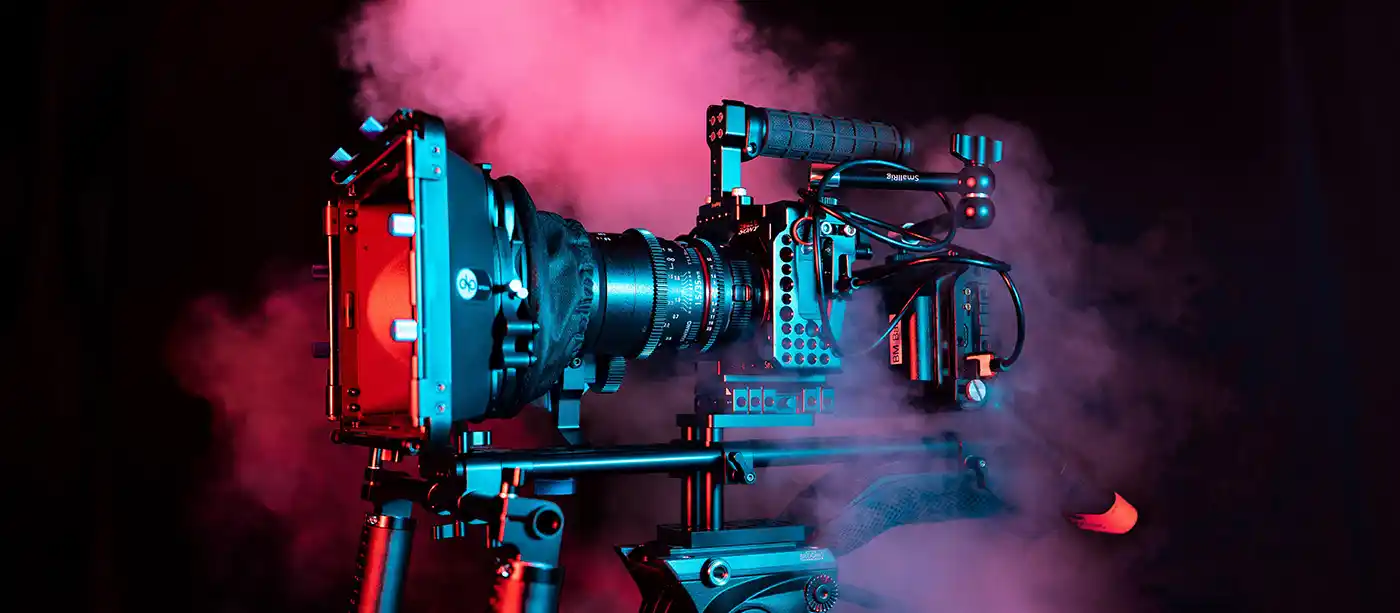
A cinematographer is not just average camera operators; they are the wizards of the film crew. They’re the people who transform a director’s vision into breathtaking shots that leave audiences in awe.
Working closely with directors, cinematographers collaborate on every element of the film production process. This ensures each frame captures the essence of the story being told. From film lighting to filming, these experts play a vital role in bringing a director’s vision to life.

The Art and Science of Cinematography
From big-budget blockbusters to intimate indie films, the camera department and camera operators alongside the cinematographer play a crucial role. That’s because they’re responsible for shaping our cinematic experiences. They meticulously plan every shot, creating shot lists and considering lighting techniques that will enhance each scene’s mood and atmosphere. Their camera work is essential for successful filming.
One name that often comes up when discussing exceptional cinematography is Roger Deakins, a renowned camera operator. With his command over light and composition, Deakins has elevated countless movies to new heights. But it’s not just about big names like Deakins. There are talented cinematographers like Nicholas Matthews. He also works as a camera operator on various photography projects across different genres, capturing stunning wide shots.
Whether it’s a corporate video or a feature film, the camera operator and cinematographer bring their unique skills and creativity. Their job is not just about technical expertise. It’s primarily about understanding how visuals can evoke emotions and tell stories without words. Movie directors specifically rely on the cinematographer and camera operator to elevate their shots bringing their artistic vision to life.
The Significance of Cinematography in Filmmaking
Cinematography is the art of capturing and composing visually compelling shots in film production. It involves technical stuff like camera setups, lighting techniques, and an understanding of visual style. Through their expertise, cinematographers bring life to the director’s creative vision.
Importance of Cinematography in Filmmaking
Cinematography is important in filmmaking. It’s a complex filmmaking skill using lighting, camera placement, and visuals creating emotions and connections with viewers. It makes the movie look and feel a certain way, appealing to average cinematographers and photography enthusiasts alike. Additionally, cinematography plays a crucial role in the work of 2nd unit cinematographers.
Good cinematography can make an average script better by capturing moments in a visually interesting way. Cinematographers, also known as camera operators, work with directors to make sure every shot matches the director’s vision. They also make actors look their best by using lighting and composition to highlight their talents. Cinematographers are an important part of the film crew on a film set. They ensure that each frame grabs attention and keeps audiences engaged. Additionally, their expertise is also valuable in photography and TV production.
Enhancing the Narrative through Visual Storytelling
One of the primary functions of cinematography in film production is guiding viewers’ attention to key elements within a scene. Artfully doing so effectively enhances the narrative of the movie. By carefully selecting camera angles and framing shots, cinematographers direct our focus towards specific things holding significance in the story. This skill is crucial in film lighting and photography, and often taught in film school.
For example, in a romantic film where two people are falling in love, a skilled cinematographer may use close-up shots to capture their expressions and emotions. This photography technique allows audiences to connect with the characters on a deeper level, immersing themselves into their love life. By manipulating camera lenses and composition choices, cinematographers have the power to evoke certain emotions from viewers. This creates an intimate atmosphere during the shoot and viewing experience.
Adding Depth and Dimensionality to Characters and Settings
Cinematography, the art of capturing images, is a crucial aspect of film production. A skilled camera operator can use lighting techniques and color grading choices. These filmmaking elements manipulate the mood and atmosphere of each scene. Thus it adds depth and dimensionality to characters and settings. This expertise is often learned through studying photography in film school.
Imagine watching a suspenseful thriller where dimly lit rooms cast eerie shadows on characters’ faces. The clever use of lighting equipment by skilled cinematographers intensifies feelings of fear or anticipation within us as viewers. By carefully choosing locations that complement the story’s themes. Furthermore, using set designs that reflect character traits or motivations, they contribute significantly to creating believable worlds within film production.
Contributing to Overall Success through Technical Skills
The career of a cinematographer involves technical aspects of photography such as camera operation and understanding different lenses. They collaborate with the lighting crew to achieve the desired visual style and maintain consistency throughout the film production. The cinematographer is the director of photography.
Cinematographers play a crucial role in the photography and production of a film. They work closely with directors and other department heads to ensure that each shot aligns with the director’s vision. Their career involves selecting the appropriate cameras and shooting techniques for each project. With their technical skills, they overcome challenges during filming, such as capturing action sequences or shooting in difficult environments.
Furthermore, in film school, cinematographers establish professional relationships with crew members to create a cohesive production team. Effective communication and collaboration are essential for executing complex shots. A cinematographer also ensures everyone is working towards a common goal on the film set.

The Role of a Cinematographer
A cinematographer, also known as a director of photography (DP), is the wizard behind the camera. In coordination with the director, they breathe life into a film. These talented individuals are responsible for both the artistic and technical aspects of film production. They work closely with the film director to translate their vision into compelling visuals using camera techniques, lighting, and composition. Being a cinematographer is a rewarding career that involves capturing the perfect shot and advancing in the industry.
Cinematographers in film school are like magicians. They have the power to create different moods and tones through their work with directors. Collaborating with various departments, like production design and costume, they ensure everything on screen aligns with the desired aesthetic. It’s their career to make sure that every shot tells a story and captivates the audience.
The process of cinematography in film school involves much more than simply pointing a camera at something. Cinematographers carefully consider every element in each frame of a production. They determine camera placement and select appropriate lenses, adjusting lighting setups as needed. The director supervises the camera crew during shooting. It’s the expertise of the cinematographer to understand how visual elements can enhance storytelling.
Cinematographer: More Than Just Capturing Images
Being a cinematographer in film school is not just about capturing images. It’s about using visual storytelling techniques to evoke emotions, enhance narratives, and create memorable cinematic experiences. From planning shots to collaborating with the director and overseeing production, cinematographers play a crucial role.
The average cinematographer (2nd unit cinematographer) plays a crucial role in the production of a film or television show. Their technical skills and artistic sensibilities enable them to make deliberate choices regarding camera equipment, lenses, lighting techniques, and more. Their expertise contributes to the overall look and feel of the production. Besides the director, it’s the role of the cinematographer in shaping its visual narrative.
Cinematography, a crucial aspect of film school, combines technical expertise and creative vision to bring a director’s production to life. Through the use of light, composition, color, lens choices, and camera movements, cinematographers capture each shot. They convey meaning and immersing audiences in the story. From breathtaking landscapes to intimate character moments, these professionals have the power to transform a movie. They take the words on a script turning them into captivating visuals that transport viewers into another world.
Duties and Responsibilities of a Cinematographer
Key Aspects of a Cinematographer’s Job
Being a cinematographer is not just about capturing beautiful images on camera. It involves a wide range of responsibilities and duties. Each one contributes to the overall visual storytelling of a film or television production. From planning shots to collaborating with other departments, the job of a cinematographer requires working with many people to create stunning visuals.
- Translating Vision into Visuals: A director may have an incredible vision for a film or TV show. However, it is up to the cinematographer to bring that vision to life through visuals. This requires not only technical expertise but also an understanding of storytelling techniques.
- Camera Techniques and Composition: Cinematographers are masters of camera techniques and composition. They also know how to use different camera movements, such as pans, tilts, dollies, and handheld shots, to create dynamic visuals that engage the audience.
- Lighting Mastery: Lighting is an integral part of cinematography as it sets the mood and atmosphere of each scene. Cinematographers work closely with gaffers (lighting technicians) to design lighting setups that enhance the story being told.
- Collaboration with Crew: A successful cinematographer knows how to collaborate effectively with their crew members. They communicate their ideas clearly while also valuing input from others involved in the production process.
- Technical Expertise: Cinematographers possess extensive technical knowledge about cameras, lenses, filters, and other equipment used in filmmaking. They understand how different camera settings impact image quality and make informed decisions based on their expertise.
- Overseeing the Camera Department: Cinematographers oversee camera crew members during filming. They are responsible for ensuring that the camera operators and assistants understand their vision and execute it effectively. This involves providing guidance on camera techniques, framing, and composition. Cinematographers also collaborate with lighting crews to achieve the desired look for each scene.
Mastery of the Cinematographer: Ninja of Cinematography Equipment and Techniques
Becoming a cinematographer involves more than just having an eye for capturing stunning visuals. It requires a deep understanding of the technical aspects of filmmaking. This includes acquiring and familiarizing oneself with the essential cinematography equipment. As a director, your work is to lead and manage a team of people to bring your vision to life on screen.
Familiarizing Oneself with Different Types of Cameras
One of the first steps in becoming a proficient cinematographer is familiarizing oneself with different types of cameras used in filmmaking. Whether it’s digital or film, each camera has its unique characteristics. These greatly influence the overall look and feel of a shot. Understanding how to operate these cameras effectively is essential for capturing the desired visual narrative. This knowledge is crucial for directors and other people involved in the work of filmmaking.
When studying in film school, it is important for aspiring directors to understand the various aspect ratios of different cameras. These ratios have a significant impact on the composition and framing of shots. By learning about these ratios, directors can make well-informed decisions about the equipment they use for each project. This knowledge is essential for their work and collaborating with other people in the industry.
Knowing how to navigate through camera settings is crucial for achieving desired results in film school. From adjusting exposure levels to selecting appropriate frame rates, mastering these technical skills allows directors and cinematographers to capture scenes exactly as envisioned.
Understanding Various Lenses’ Characteristics
A significant part of a cinematographer’s job in film school involves lens choices and creative work. Understanding the characteristics of camera lenses and utilizing them creatively is essential. Camera lenses shape the visual elements within a frame. Thus, allowing cinematographers to convey emotions and enhance storytelling through selective focus, depth-of-field control, and perspective manipulation.
Focal length is one important characteristic that determines how much of a scene will be captured by the lens. Wide-angle lenses encompass more within their field of view while telephoto lenses bring distant subjects closer. By experimenting with different focal lengths, cinematographers can create unique visual experiences tailored to each project’s requirements in their work.
Aperture, another critical aspect of film lenses, affects the depth-of-field and overall exposure of a shot. Wider apertures, often used by 2nd unit cinematographers, produce shallow depths-of-field. This isolates subjects from their surroundings and creating a cinematic look. On the other hand, smaller apertures increase the depth-of-field, ensuring that more elements within the frame remain in focus. This is important in the work of a 2nd unit cinematographer.
By understanding these lens characteristics and how they interact with camera settings, cinematographers make informed decisions to achieve their desired visual outcomes.
Learning about Essential Accessories
Cameras and lenses form the core of film cinematography equipment. However, there are several essential film accessories that enhance shot quality and provide creative possibilities. Familiarizing oneself with these film accessories is crucial for any aspiring film cinematographer looking to elevate their work.
Lighting Filters
Filters are one such film accessory that can dramatically alter the look and feel of a shot. From neutral density filters for controlling exposure to polarizing filters for reducing reflections, each filter serves a specific purpose. They shape the final image. Cinematographers must understand when and how to use these work tools effectively to achieve desired results.
Stabilizers
Stabilizers and rigs are essential tools for a cinematographer’s film work. They minimize camera shake during handheld shots or dynamic movements, ensuring smoother footage. Whether using a shoulder rig or a motorized gimbal stabilizer, mastering these tools guarantees steady shots in challenging shooting conditions.
By acquiring knowledge about camera equipment, familiarizing oneself with lenses’ characteristics, and learning about essential accessories like filters, stabilizers, and rigs; aspiring cinematographers can develop their technical skills while honing their artistic sensibilities. This combination of technical know-how and creative decision-making is what sets apart a cinematographer in the dynamic world of filmmaking.
Conclusion: The Artistry of Cinematography
In the enchanting world of filmmaking, cinematography is a powerful art form that breathes life into stories on the silver screen. This creative craft involves much more than just capturing images. It’s a filmmaking role encompassing the magical blend of technical expertise and artistic vision.
Cinematographers, heads of their filmmaking departments, play a multifaceted and vital role in the filmmaking process. They are not just average camera operators. They are the wizards who transform a director’s vision into breathtaking shots that leave audiences in awe. Working closely with directors, they collaborate on every element of the visual storytelling process. A job done well, they ensure each frame captures the essence of the story being told.
Cinematography is a celebration of human ingenuity and creativity. Furthermore, it brings to life the dreams and visions of filmmakers and enchanting audiences worldwide. From planning shots and camera movements to manipulating lighting techniques and creating immersive atmospheres, cinematographers master the fusion of technique and artistry. Thus elevating films to greater heights.
Through the lens of a cinematographer, they breathe emotions, atmosphere, and life into every film frame. Moreover, this allows audiences to be transported to realms beyond imagination. The art of cinematography is a journey of visual storytelling. So, we invite you to explore the endless possibilities of the cinematic world.
Frequently Asked Questions about Cinematographers
Becoming a cinematographer does not require specific qualifications. However, pursuing formal education in film or related fields can provide valuable knowledge and skills that can enhance your chances of success.
Gaining practical experience as a cinematographer can be achieved by working on small projects. These can range from short films to student productions. This hands-on experience allows you to refine your skills as a cinematographer, experiment with different techniques, and build a strong portfolio.
Cinematographers rely on various tools such as cameras, lenses, filters, lighting equipment, and grip gear to achieve their desired visual effects. These tools also help create captivating visuals that enhance the overall storytelling of a film.
Networking is crucial for cinematographers as it helps establish connections within the industry. Attending film festivals, joining professional organizations, and collaborating with other filmmakers can open doors to new opportunities. Thus paving the way for career advancement.
Staying up-to-date with advancements in film technology is essential for cinematographers. Following industry publications, attending film workshops or seminars, and experimenting with new film equipment. These are also effective ways to stay informed about the latest trends and techniques in film cinematography.